



If your morning coffee tends to leave you with an unsettled stomach, it’s easy to assume espresso would only make things worse. It tastes stronger, feels more concentrated, and has a reputation for being intense. But surprisingly, espresso is often easier on the stomach than a standard cup of drip coffee—especially when it’s well-prepared and consumed in moderation.
That doesn’t necessarily mean espresso is “low acid,” nor does it mean coffee acidity is the only factor that affects digestion. The way coffee is brewed, the type of beans used, roast level, serving size, and even what you add to your cup can all influence how it feels to drink.
It's also worth distinguishing between actual acid content—the measurable presence of compounds like chlorogenic acids—and perceived acidity, which is how bright or sharp a coffee tastes in the cup. These don't always move together, and it’s an important distinction when thinking about how coffee affects your stomach.
Understanding those variables can make a big difference if you love coffee but struggle with discomfort. In this guide, we’ll break down why coffee sometimes irritates the stomach, why espresso may feel gentler for some people, and how to brew a smoother, more balanced cup at home.
Why Coffee Can Upset Your Stomach
The same qualities that make coffee flavorful—acidity, complexity, and concentration—can also make it harder for some people to tolerate. But stomach sensitivity is rarely caused by a single factor alone.
Here are a few reasons your body may respond poorly after drinking coffee.
Coffee Is Acidic
Coffee beans naturally contain chlorogenic acids, which contribute to brightness and complexity in the cup. Roasting breaks down some of the acid, but even darker roasts retain a degree of acidity. For people with sensitive stomachs or acid reflux, the remaining acidity can trigger discomfort or heartburn.
Caffeine Stimulates Stomach Acid Production
Caffeine encourages your stomach to produce more gastric acid. For some people—especially when drinking coffee on an empty stomach—that increase can lead to irritation, nausea, or an unsettled feeling after drinking coffee. Sensitivity varies from person to person, but caffeine is one of the most common contributors to coffee-related stomach issues.
Milk-Based Drinks Can Cause Digestive Issues
Sometimes the coffee itself isn’t the problem. Milk, cream, or other dairy-based additions can cause bloating, cramping, or stomach discomfort for people who are lactose intolerant or sensitive to dairy. If your go-to order includes a lot of milk, it may be worth testing whether the dairy—not the espresso—is causing the issue.
Learn how to enjoy black coffee →
What Affects Acidity in Coffee?
Coffee acidity is shaped by far more than just roast level. Everything from where the coffee is grown to how it’s brewed can influence both flavor and how the coffee feels on your stomach.
A few of the biggest factors include:
-
Origin: Coffees grown at higher elevations, like many from Ethiopia or Kenya, often taste brighter and more citrus-forward. Lower-altitude origins like Brazil tend to be nuttier, rounder, and lower in perceived acidity.
-
Roast level: Darker roasts contain less chlorogenic acid than lighter roasts. The longer coffee spends in the roaster, the more the acid breaks down. If lighter coffees tend to bother your stomach, darker roasts may feel gentler to drink.
-
Caffeine content: Higher-caffeine coffees can amplify stomach irritation because caffeine itself stimulates gastric acid production. That said, within Arabica coffee, caffeine levels don't vary dramatically from one variety to the next. Differences in caffeine content are more notable when comparing species, such as Arabica versus the higher-caffeine Robusta.
-
Brew method: Acids are among the first compounds to extract during brewing, so all coffee will contain some level of acidity. What changes with brew method is the balance of compounds in the final cup: longer extractions pull more of the elements that round out that acidity, while shorter ones may leave the cup tasting brighter. How a brewing method affects your stomach is more about concentration and serving size than acid content alone.
-
Water hardness: The mineral content of water affects how coffee is extracted. Water with balanced mineral content generally produces a smoother, more rounded cup, while overly soft water can sometimes lead to sharper or more aggressive flavors.
-
Processing method: How coffee is processed after harvest also shapes acidity and flavor. Washed coffees tend to emphasize brightness and clarity, while natural processed coffees often taste fuller-bodied with a lower perceived acidity, making them feel a little gentler.

Espresso vs. Drip Coffee: Which One Is Harder on Your Stomach?
Despite its bold flavor and concentrated nature, espresso is often easier on the stomach than a regular cup of drip coffee. This may surprise you, especially since espresso tastes more intense—and because of its concentration, it can actually register as higher in perceived acidity. But stomach sensitivity is influenced by more than flavor alone.
A Single Espresso Shot Usually Contains Less Total Caffeine
Espresso is more concentrated ounce for ounce, but a single shot contains roughly 63mg of caffeine compared to 65–120mg in an 8oz cup of drip coffee.
That difference matters because caffeine stimulates gastric acid production. For people sensitive to coffee, a large cup of drip coffee may simply deliver more caffeine—and more stomach irritation—than a small espresso shot.
Of course, quantity changes the equation. A triple-shot latte may contain as much or more caffeine than drip coffee.
Espresso's Short Extraction and Small Serving Size
Espresso is brewed quickly, usually in about 25–30 seconds under high pressure, and served in a very small volume. Both factors can make it easier on the stomach.
Because acids extract early in the brewing process, espresso does contain acidic compounds. But its concentration and small serving size means you're consuming much less total liquid than with a standard drip coffee, which limits overall intake of caffeine and other potentially irritating compounds.
A Small Espresso Is Less Liquid for Your Stomach to Process
A standard espresso is only about 1–2oz, while drip coffee is usually consumed in much larger quantities. Even beyond acidity and caffeine, volume alone can affect digestion.
Larger drinks mean more liquid for your stomach to process and can increase that overly full or acidic feeling some people experience after coffee. A small espresso may simply feel easier to tolerate because there’s less of it.
However, if you drink your espresso in a 12oz latte, you're consuming just as much liquid, plus milk, which can also upset some people's stomachs.
So, Is Espresso Better for Sensitive Stomachs?
For many people, yes. The combination of lower total caffeine, shorter extraction time, and smaller serving size can make espresso easier to tolerate than drip coffee.
That said, stomach sensitivity is highly individual. The coffee itself, how it’s brewed, what you add to it, and how much you drink all matter. If coffee tends to bother your stomach, experimenting with espresso, darker roasts, lower-acid coffees, or different brewing methods may help you find a cup that works better for you.
How to Reduce Acidity in Coffee
You don't have to give up coffee to avoid stomach issues. A few adjustments to your beans or brewing method can make a noticeable difference.
1. Brew With Slightly Cooler Water
Very hot water extracts coffee more aggressively, including acidic and bitter compounds. Brewing closer to 195–200°F instead of boiling can help produce a smoother, more balanced cup.
2. Adjust Your Grind Size
A slightly coarser grind can reduce over-extraction, which often makes coffee taste sharper or harsher. If your coffee consistently tastes overly bright or sharp, adjusting your grind is one of the easiest variables to experiment with.
3. Try Darker Roasts
Darker roasts generally contain fewer acidic compounds because of their longer roast development. They also tend to produce richer, rounder flavor profiles that many people find easier to tolerate.
If you prefer full-bodied coffees with lower acidity, Methodical’s Classic coffees are a good place to start.
4. Choose Natural Process Coffees
Processing methods affect both flavor and perceived acidity. Natural processed coffees often taste fruit-forward and fuller-bodied, with softer perceived acidity than many washed coffees.
5. Use Mineral-Rich Water
Water composition has a major impact on extraction. Water with balanced mineral content generally produces a smoother, more rounded cup, while overly soft water can sometimes exaggerate acidity and bitterness.
6. Look for Lower-Altitude Origins
Coffees grown at lower altitudes tend to be naturally lower in acidity. For example, coffees from Brazil or parts of Central America often have chocolatey, nutty notes and smoother profiles compared to brighter, high-altitude coffees from East Africa.
7. Add Milk or a Milk Alternative
Adding milk can buffer acidity and make coffee easier on the stomach. If you're dairy sensitive, oat milk and almond milk are popular alternatives that still add balance and texture to the cup.
Tips for Enjoying Coffee Without Stomach Issues
Sometimes the smallest changes make the biggest difference. Beyond adjusting your beans or brew method, a few everyday habits can help make coffee feel smoother and easier on your stomach.
-
Eat something first: Food helps buffer some of coffee’s acidity and slows how quickly caffeine hits your system. Even a small breakfast or snack can help reduce irritation.
-
Stay hydrated: Coffee has a mild diuretic effect, and dehydration can sometimes make stomach discomfort feel worse. Drinking water alongside your coffee can help balance things out.
-
Wait until mid-morning: Cortisol levels are naturally elevated when you first wake up. Waiting to enjoy your morning cup until 9:30–11:00 a.m. can help you avoid an unsettled stomach or jittery feeling.
-
Drink coffee more slowly: Quickly drinking large amounts of coffee can intensify stomach discomfort. Slowing down and spacing out your cups often feels noticeably easier on digestion.
-
Try cold brew or espresso: Both tend to be gentler than drip coffee. Cold brewing results in a lower perceived acidity, while espresso’s small serving size and short extraction can make it easier to tolerate.
-
Try a different milk option: If milk-based drinks tend to upset your stomach, dairy may be contributing more than the coffee itself. Oat, almond, and soy milk are popular alternatives that can feel lighter and easier to digest.
-
Add cinnamon: Cinnamon adds warmth and complexity to coffee without increasing acidity or relying on sugary syrups. It also has natural anti-inflammatory properties to aid digestion.
-
Use honey instead of sugar: Refined sugar and artificial sweeteners can sometimes contribute to digestive discomfort or make coffee feel heavier. Honey is a gentler way to sweeten your coffee.
Best Coffee for Sensitive Stomachs
If you're trying to avoid stomach irritation, look for coffees that feel balanced, smooth, and easier to drink. Lower-acid origins, darker roast profiles, and fuller-bodied coffees are a good place to start.
Low-Acidity Coffee Recommendations
A few Methodical coffees that may work well for sensitives stomachs include:
-
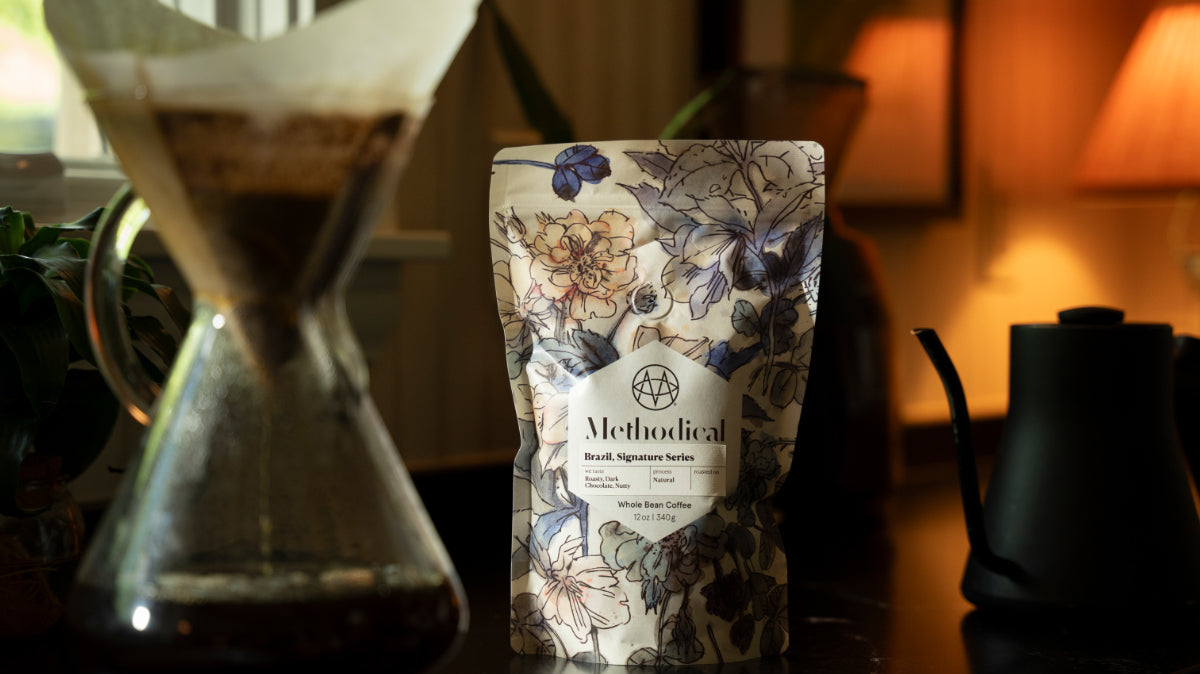
Brazil, Signature Series — A low-altitude, natural process coffee with a roasty, nutty profile.
-
Late Night — A darker roast with rich, full-bodied flavor and lower acidity.
-
Costa Rica, La Pastora — Balanced with notes of almond and a smooth finish.
-
Colombia, Landmark — A reliable, well-rounded option with classic character.
Decaf Options for Caffeine Sensitivity
If caffeine is the primary source of your stomach issues, decaf offers a much gentler experience while still preserving the ritual and flavor of coffee.
Methodical's decaf blends are selected and roasted with the same attention to balance and flavor as the rest of the lineup.
-
Unwind Decaf — A Classic profile with notes of chocolate and almond brittle.
-
Sunset Decaf — A Contemporary profile with citrus, brown sugar, and chocolate notes.
-
Repose Decaf — An Avant-Garde profile with vibrant berry notes like strawberry and raspberry.
Learn more about decaf coffee →
What to Drink Instead of Coffee
For some, coffee consistently causes discomfort even after adjusting brew method, roast level, or caffeine intake. The following alternatives offer a similar ritual with less acidity or caffeine:
-
Matcha — Lower in caffeine than coffee, with a more gradual energy release that feels gentler.
-
Green tea — Gentle, lightly caffeinated, and easy on the stomach for most people.
-
Chai tea — Warming and spiced, with a fraction of the acidity of coffee.
-
Kombucha — A fermented option that some find easier to digest, with a light natural effervescence.
Find a Coffee That Works for You
Stomach sensitivity doesn't mean giving up coffee entirely. Often, it means adjusting variables like roast profile, brew method, serving size, or what you add to your cup. Darker roasts, lower-extraction methods like espresso or cold brew, and smaller serving sizes tend to be gentler for most people.
If you're exploring stomach-friendly options, Methodical's Classic coffees are rich, full-bodied, and roasted for balance. Subscribe to have them delivered regularly.

You might also like: